I have sat on both sides of the treatment chair, first as a clinician injecting neuromodulators day after day, later as a patient who wanted a smooth forehead without losing my ability to look surprised at my kid’s soccer goals. The difference between a forgettable experience and a great one almost never comes down to the brand of product or the fanciness of the waiting room. It comes down to clinical judgment, listening, precise technique, and a plan that fits your face rather than a template. If you are searching for the best botox provider near you, start with how they think, then look at what they do.
This guide walks through the credentials that matter, how to read reviews the way insiders do, what real results look like on a timeline, and how price, dose, and brand affect outcomes. Consider it a field manual for choosing a botox clinic that delivers safe, natural-looking botox results with minimal downtime.
What “best” really means in botox care
Best rarely means cheapest, and it does not always mean the most expensive either. It means a provider who can translate your goals into a dosing plan that respects your anatomy. When someone says they want fewer forehead lines but still want to raise their brows in photos, that sounds simple. In practice it can require shaping the frontalis muscle with a custom grid, softening the horizontal lines without dropping the brows, and balancing the glabella and crow’s feet so the midface does not carry excess tension.
A strong botox provider keeps your face moving where it should move, and resting where lines form. Your ideal outcome probably looks like you on a well-rested week, not frozen. The real test is twofold: how you look at day 10, and how you feel living with the result through month three.
The credentials to check before you book
Licensure is table stakes. Experience, supervision, and training make the practical difference. In many regions, botox injections can be performed by physicians (MD or DO), nurse practitioners, physician assistants, and registered nurses, though rules around supervision vary by state or country. Titles alone do not guarantee great outcomes. The best injectors, regardless of letters after their name, show deep knowledge of facial anatomy, a conservative first session, and a structured follow-up protocol.
Here is a practical way to vet credentials and training before your botox appointment.
- Confirm that the clinic is registered to provide botox cosmetic injections and uses FDA or equivalent approved products from the manufacturer or authorized distributor. Ask how many botox sessions they perform weekly and for how many years they have focused on aesthetic injection therapy. Request to see provider-specific before and after photos, not stock images, with consistent lighting and angles. Ask about complication management and follow-up: Do they schedule a 10 to 14 day review for possible dose adjustments? How do they treat eyelid ptosis if it occurs? Clarify who is injecting you on the day, their qualifications, and whether there will be supervision if they are a newer injector.
When a clinic answers these without friction, you are already in safer territory. A provider who volunteers their thinking, not just their marketing, is more likely to deliver professional botox care.
Reading reviews like an insider
Online reviews for botox services can be noisy. Five-star comments about “great front desk and cute decor” are pleasant but not helpful. Look for clues about clinical reasoning and consistency. Reviews that mention clear expectations, thorough consultation, and a smooth two-week follow-up tell you more than praise about a free latte. If someone notes that their first dose was conservative with a small top-up later, that signals a provider who values precision over bravado.
It is also useful to check thirds of the face in online galleries. If a clinic shows only smooth foreheads but few examples of crow’s feet or frown lines, they may not have equal comfort across zones. For lips, a “lip flip” with botox can create a gentle roll without volume, but it also shortens duration, often around 6 to 8 weeks. Good providers educate on these trade-offs in advance. When reviews echo that kind of clarity, you are looking at a practice that values informed consent and realistic promises.
What actually happens in a great consultation
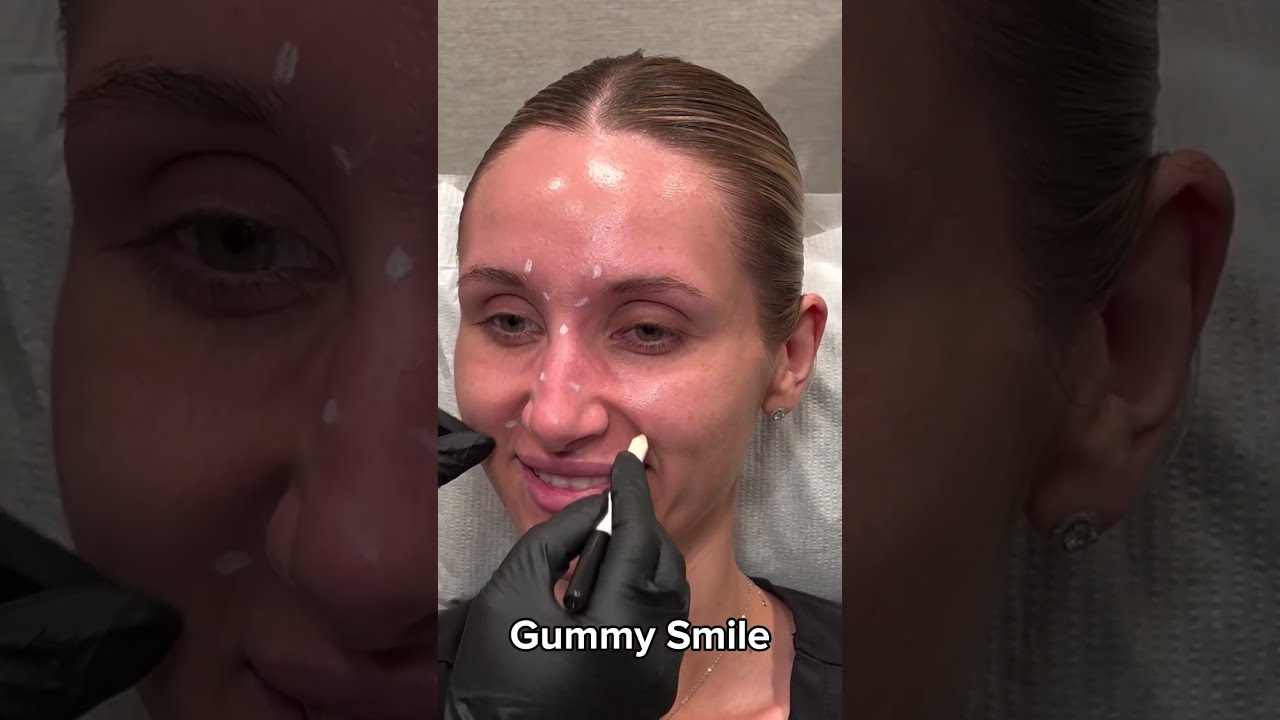
The botox consultation is where good outcomes are built. It should feel like a small facial mapping session. You raise your brows, frown, squint, smile, and sometimes whistle or sip through a straw so the injector can see dynamic patterns. They will note baseline asymmetries, like a right brow that lifts higher or a deeper crease on the sleeping side. That baseline, not the grid on a brochure, guides injection points.
A thoughtful provider talks through goals and the trade-off between wrinkle reduction and muscle function. For a brow lift effect, for instance, they may selectively relax the depressor muscles at the tail of the brow and keep the elevator muscle active medially. If you tend to heavy lids, they will keep frontalis support intact by reducing dose density above the center of the brow. For men, thicker muscle mass often calls for higher dosing, and the injector should explain why your friend’s 12 unit forehead is not your 12 units.
The consult should also cover contraindications. Pregnancy and breastfeeding are standard exclusions. Neuromuscular disorders or recent aminoglycoside antibiotics raise risks. Prior eyelid ptosis history matters, as does a history of keloids that could affect healing of any injection sites.
Doses, units, and anatomy, translated into plain language
Botox is measured in units, which are not interchangeable across brands. For onabotulinumtoxinA (Botox Cosmetic), common ranges per area look like this in routine practice, always individualized:
Forehead lines: roughly 6 to 20 units, depending on brow position and forehead height.
Glabellar frown lines (the “11s”): often 12 to 25 units.
Crow’s feet: 6 to 12 units per side.
Bunny lines at the nose: about 4 to 8 units total.
Chin dimpling: 6 to 10 units.
DAO (downturned corners of the mouth): 4 to 8 units total.
Masseter slimming or jaw tension: 20 to 40 units per side, sometimes higher.
Neck bands or “Nefertiti” lift: 20 to 50 units, widely variable based on band prominence.
Dysport often uses approximately 2.5 to 3 units per 1 unit of Botox for a similar clinical effect, although injectors dose by experience, not math alone. Xeomin does not contain complexing proteins, a difference some clinicians prefer for patients with theoretical concerns about antibody formation. Jeuveau behaves similarly to Botox in most hands. Daxxify, with its peptide-stabilized formulation, may last longer, often around 6 months in the upper face, but data vary and dose equivalence is not one-to-one. A seasoned botox expert will explain why they choose a given brand for you, sometimes mixing brands across areas based on preference and response history.
The best injectors talk about diffusion and placement, not just dose. A few millimeters too low above the brow can make you feel heavy for weeks. A fraction too medial near the crow’s feet can relax the muscle you use to stabilize your smile, leading to a transient asymmetry. Precision is everything.
The results timeline you should expect
Good botox results unfold steadily, not all Scarsdale NY Botox specialists at once. Most patients notice early softening at day 3 to 4. Peak effect typically arrives at day 10 to 14. A methodical practice builds in a tweak visit around that window to smooth any asymmetry or under-correction. Duration depends on dose, muscle mass, metabolism, and the area treated. Three to four months is the most common range for standard facial zones. Crow’s feet may fade a bit faster, and a lip flip is famously brief. Masseter treatment can last closer to 5 to 6 months, especially after a few repeated sessions when the muscle thins and you no longer clench as hard.
Photos matter here. Great before and after photos are taken with neutral lighting, same camera distance, no filters, and identical facial expressions. A smile in the before and a blank face in the after is not a fair comparison. If the clinic is proud of technique, they show honesty in their images.
Safety, side effects, and what skilled management looks like
Any injection carries risk. Bruising and a mild headache are common and usually short lived. Small injection bumps disappear within minutes as the saline reabsorbs. The complications people worry about most are eyelid ptosis, brow heaviness, and smile asymmetry. With correct placement and conservative dosing, these are uncommon. In my practice, I saw transient ptosis in well under 1 percent of upper face treatments, often milder than expected and responsive to prescription eyedrops like apraclonidine or oxymetazoline that lift the lid a millimeter or two while the botox effect settles.
Neck injections can rarely cause swallowing difficulty or neck weakness if the dose spreads too deep or too widely, which is why platysma treatments are best done by experienced injectors who can map band anatomy clearly. Double vision is a rare risk with injections near the crow’s feet if diffusion reaches the orbicularis oculi too far posteriorly. Again, technique and dilution matter. An advanced provider adjusts saline volume to balance spread and accuracy based on the target muscle and your skin thickness.
Sourcing also counts toward safety. Legitimate botox cosmetic treatment comes in vials with lot numbers and tamper-evident seals, and it requires cold chain storage. Reputable clinics can tell you where their product comes from. If the price seems impossibly low, dilution or gray-market supply is a real concern.
Price, offers, and how to decode “deals”
Botox cost varies widely by region and provider. In most U.S. Cities today, per-unit pricing ranges from about 10 to 20 dollars, sometimes more in premium markets. Some clinics price by area, for example 300 to 600 dollars for the glabella and forehead combination, or 200 to 400 dollars for crow’s feet. Packages can offer value, especially for patients treating multiple areas or returning every 3 to 4 months, but the math should be transparent.
A practical rule of thumb: for a typical upper-face treatment that totals 30 to 50 units, an all-in cost commonly falls between 350 and 900 dollars depending on city, brand, and injector experience. Daxxify, when used, often carries a higher price due to its longer duration claims. Affordable botox is not inherently unsafe; it becomes unsafe when a clinic cuts corners to hit a price point. Ask about units used, brand, and the plan for follow-up adjustments. A fair per-unit price with clear dosing beats a vague per-area price with no details.
Red flags that tell you to keep looking
You can learn a lot in the first few minutes at a botox clinic. Use that time well. These are the most telling warning signs.
- The clinic cannot confirm the brand, lot number, or sourcing of their botox face injections. There is pressure to buy more areas or packages before anyone maps your facial movement. The injector avoids questions about side effects, uses only superlatives, or dismisses your concerns with jokes. Before and after photos show different lighting or expressions, or they will not share provider-specific work. There is no offered follow-up at 10 to 14 days, and adjustments are discouraged or always charged as a full new session.
A provider who welcomes thoughtful questions is usually the one who will deliver the most natural botox wrinkle reduction and the safest overall experience.
Matching treatments to goals, not trends
Trends come and go. Your face does not. Some people ask for a frozen forehead because a celebrity looks ageless in a close-up. Others want just enough smoothing to keep makeup from creasing by 3 pm. Both are valid goals, and both can be planned. If you want to hold expression, your injector will space units across the frontalis, reduce points near the central brow, and be careful not to over-treat the glabella, which can cause compensatory brow lifting and a surprised look. If your priority is maximum smoothing, they will likely increase dose density, especially in the glabella where strong corrugators make the “11s,” and then balance the forehead to avoid a dropped brow.
A few common requests deserve realistic context:
Botox for under eyes: Direct injection into the lower eyelid can cause smile changes or small bulges if not carefully placed. Some people are better served with skin treatments like microneedling or a very light laser. A measured provider will tell you when botox is not the right tool.
Botox brow lift: A subtle lift is feasible by relaxing the brow depressors. Expect millimeters, not centimeters.
Botox lip flip: A nice option for a gentle roll of the upper lip without filler. Duration is shorter, often 6 to 8 weeks, and speech may feel different for a few days.
Masseter reduction for jawline: Effective for face slimming and bruxism relief, but the first two sessions may feel “chewy” as your bite pattern adapts. Chewing fatigues faster for a few days, then normalizes.
Neck bands: Results depend on band prominence and skin quality. Some patients pair botox with energy-based skin tightening or topical retinoids for better definition.
If a clinic offers a botox anti aging package that sounds like a catchall, ask them to translate that into specific muscles and units. The best providers can explain their plan in everyday language and adapt it to you, not the other way around.
Skin care, timing, and what you control
You can stack the deck for a Scarsdale NY botox smooth recovery. Avoid alcohol and blood thinners like ibuprofen for 24 hours before a botox session unless your doctor advises otherwise. Arrive without heavy makeup so the skin can be cleaned thoroughly. After injections, plan on staying upright for 4 hours, skip a hard workout that day, and avoid rubbing treated areas. Makeup is usually fine after a few hours once pinpricks have sealed. If bruising shows up, small arnica topicals or a dab of concealer handle it. Most people return to work the same day; it is one of the reasons botox is a popular non surgical option with minimal downtime.
Skin care does not replace botox for dynamic wrinkles, but it boosts the overall look. A gentle retinoid, broad-spectrum sunscreen, and consistent moisturization improve surface texture, while botox reduces the muscle-driven lines underneath. When people talk about a botox glow, part of that is the way makeup sits better when the muscles are not bunching the skin.
How to decide between providers in a crowded market
If you have narrowed your search to two or three clinics, spend five minutes calling each one. Ask the same three questions to hear how they think.
First, tell them your goal in plain terms, like softening forehead lines with a natural look. Ask what their typical approach is for that request. You are listening for specifics: mapping, conservative first pass, follow-up timing.
Second, ask which brand they would use and why. If they can compare onabotulinumtoxinA to others like Dysport or Xeomin in clear, non-technical language, that is a good sign. If they mention Daxxify, they should note its longer duration and cost dynamics without overselling.
Third, ask about pricing transparency. Will they quote per unit, estimate total units for your face, and explain top-up policies? The best botox providers are comfortable doing that before you step in.
If their answers feel consistent with what you have read here, trust your instinct. If you sense hedging or a hard sell, honor that too.
A note on men, skin of color, and aging patterns
Technique should be tailored to bone structure, muscle mass, and skin thickness. Men generally need higher doses for the same effect, particularly in the glabella and masseter. The aesthetic ideal often preserves a straighter, heavier brow in men, so over-softening the forehead can feminize the look unintentionally. An experienced botox specialist will discuss that openly.
For patients with deeper skin tones, post-injection marks and bruises may look different, but healing follows the same timeline. Gentle pressure and a cold pack help if bruising begins. I keep a small hyaluronic acid serum on hand for patients with any dryness after cleaning; it calms without occlusion. Most importantly, a provider should avoid superficial blebs where pigment contrast could linger for a day or two. Slow injection with a small-gauge needle reduces that risk.
In older patients with both dynamic and etched static lines, botox remains helpful for preventing further creasing and can soften lines at rest, but it may not erase deeply set creases alone. Combining botox with resurfacing or, selectively, filler in safe zones can give a more complete result. A conservative, staged plan is smarter than a single big day.
Before and after, the honest version
Here is how a typical upper-face plan might look for a 38-year-old who frowns hard at screens and has moderate forehead lines but strong brows. After mapping, the injector might treat the glabella with 18 to 22 units, place a light 8 to 10 units across the forehead in a pattern that spares the lateral brow, and address crow’s feet with 6 units per side. At day 10, they assess smile strength, brow height, and any under-correction, then add 2 to 4 units if needed. The patient feels normal expression, fewer end-of-day creases, and a cleaner makeup finish. They repeat at month three or four.
Another case: a 31-year-old with jaw tension and square facial width chooses masseter treatment. The injector places 25 to 30 units per side at two or three deep points, avoiding diffusion into the risorius to protect the smile. By week three, tension drops and headaches often ease. Face shape subtly narrows over 8 to 12 weeks. The second session, often at 4 to 6 months, consolidates the change with similar or slightly lower dosing.
These are examples, not prescriptions. The point is that real botox facial treatment plans are specific, and small differences in technique produce big differences on your face.
Final thoughts from the treatment room
The best botox is not about chasing trends or landing the biggest discount. It is the result of a provider who respects the balance between muscle function and aesthetic goals, uses authentic product with correct storage, prices transparently, and invites you back to fine tune. When you find that, you get what botox does best: wrinkle reduction without losing yourself, a younger look without looking “done,” and a routine that fits into a lunch break.
If you are early in your search, start with a consultation. Bring your questions. Ask to see provider-specific work. Expect a structured plan, conservative dosing for a first botox session, and an open invitation to return at two weeks. If a clinic delivers that level of professional botox care, the rest often falls into place: predictable botox results, fewer lines where you do not want them, and expression where you do.